
AN INTERVIEW WITH REVISTA SOUNDLOOP
1) How did your journey into experimental music and photography begin?
It began without me realizing it. As a child, I would spend hours recording sounds on cassette recorders (I’m showing my age!) — refrigerators, creaking doors, kitchen noises, my own breathing. Later, I discovered artists like Steve Reich, Pierre Henry, Coil, Esplendor Geométrico, Swans, Nurse With Wound, The Residents… and realized that what I was drawn to wasn’t just “noise” — it was music. Just… not the kind people whistled.
At the same time, I was drawn to photography — especially black and white. My mother was a talented photographer, and so was my grandfather, who still used glass plates. I remember being much more captivated by the textures and the grain in his photos than by the actual subjects.
There was never a clear ambition behind any of it — only curiosity. A tendency to focus on the things that go unnoticed. The crack in the wall, not the wall itself. That instinct to observe, collect, and preserve fragments — whether visual or sonic — is what shaped everything that came after.
2) What role did your training in musique concrète with Bernard Fort play in your artistic development?
It changed the way I listen — which is probably the most important thing. Bernard Fort didn’t try to teach us how to make music in the traditional sense. He invited us to explore sound as material. To forget about rules, styles, or structures, and just focus on what a sound is — its texture, its weight, its behavior in space.
He never talked about expressing something. It was more about revealing something — letting the sound speak for itself. That completely shifted my relationship to composition. I stopped thinking in terms of “writing music” and started thinking in terms of sculpting sound.
What stayed with me most is this idea that silence isn’t empty, and that noise isn’t chaos.
3) When did you discover that you could merge your photographic vision with your sonic language?
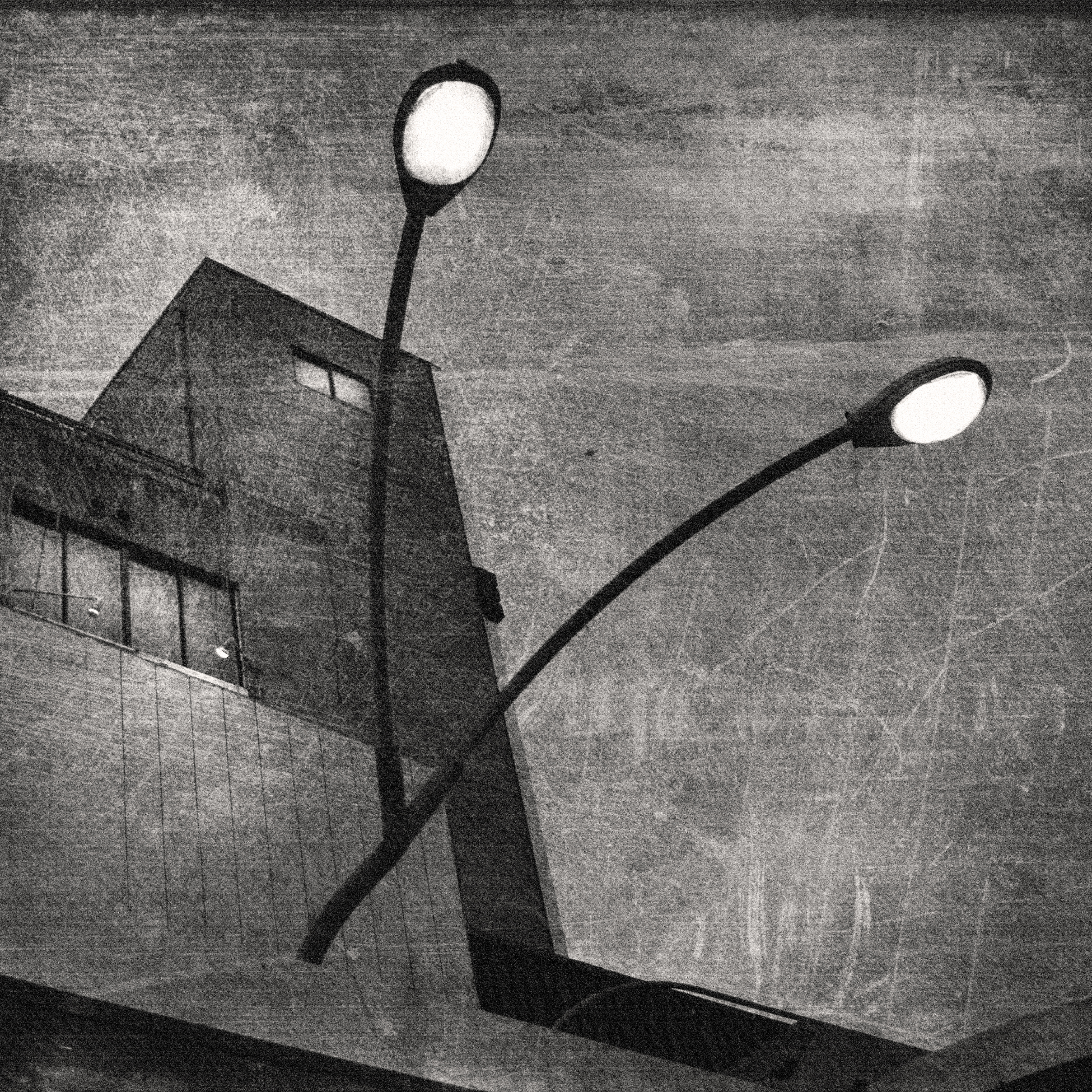
I think I’ve always approached both practices the same way — through texture. For me, music isn’t about melody or harmony — it’s about the accumulation of sonic matter. Sounds layered, shaped, cut, eroded, distorted… until they form a space you can inhabit. Photography is the same. It’s not about capturing a subject, but about layering visual matter — grain, light, contrast, noise — until something emerges.
I’ve always been drawn to imperfections: dust, scratches, hiss, blur. That’s where the emotion is. In both image and sound, I’m less interested in clarity than in presence — the kind of presence that’s fractured, textured, uncertain.
Funnily enough, the writer Catherine Raspail, who I’m working with on a photo book, told me she immediately heard the pictures. She said they felt like sound. I love that. Maybe that’s where it all connects — in what’s not quite visible, and not quite audible, but always there.
You can check out my photography website here: bastienponsphotography
5) What was the technical process of recording and producing the album like?
Painfully slow. I’m not a fast or efficient creator — I’m obsessive, messy, and pretty chaotic in Logic Pro. I often end up with 600 tracks in one single project (each with 100 plugins), all called “no name”!
I can spend three months sculpting a single sound until it feels right — and often, I don’t even know what “right” means until I hear it. The process isn’t linear; it’s more like archaeological excavation. I dig, erase, rebuild, bury things again. Most of the sounds come from home recordings, broken gear, bits of software, field recordings, fragments of accidents.
Mixing, for me, isn’t about polish. It’s about perspective — what stays hidden, what emerges, what draws you in. I really admire artists who have a clear, structured vision from the start. I’m usually fumbling in the dark and follow the sound until it tells me I’ve arrived.
8) What visual influences are present in Blinded?
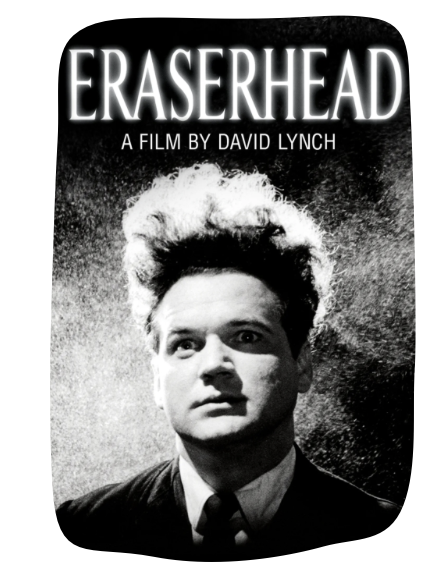
One of the strongest visual influences was early David Lynch — especially Eraserhead. Not because of the narrative, but because of how the film uses image and sound together to build a world that feels physically oppressive and emotionally ambiguous.
The lighting is stark, the framing is unsettling, but what really struck me was the way sound carries the atmosphere. The constant industrial hums, the undefined mechanical drones, the sense that the environment itself is alive — that’s something I tried to explore in Blinded.
I wasn’t aiming to reference Lynch directly, but I do think Blinded operates in a similar space: one where texture is more important than clarity, and where meaning comes less from what you see or hear, and more from what you feel underneath.
Explore the sounds behind the conversation
Read my biography, explore Blinded track by track, or continue in the journal of experimental music and sound art.